Presented by
Startup Bonuses — How & When?
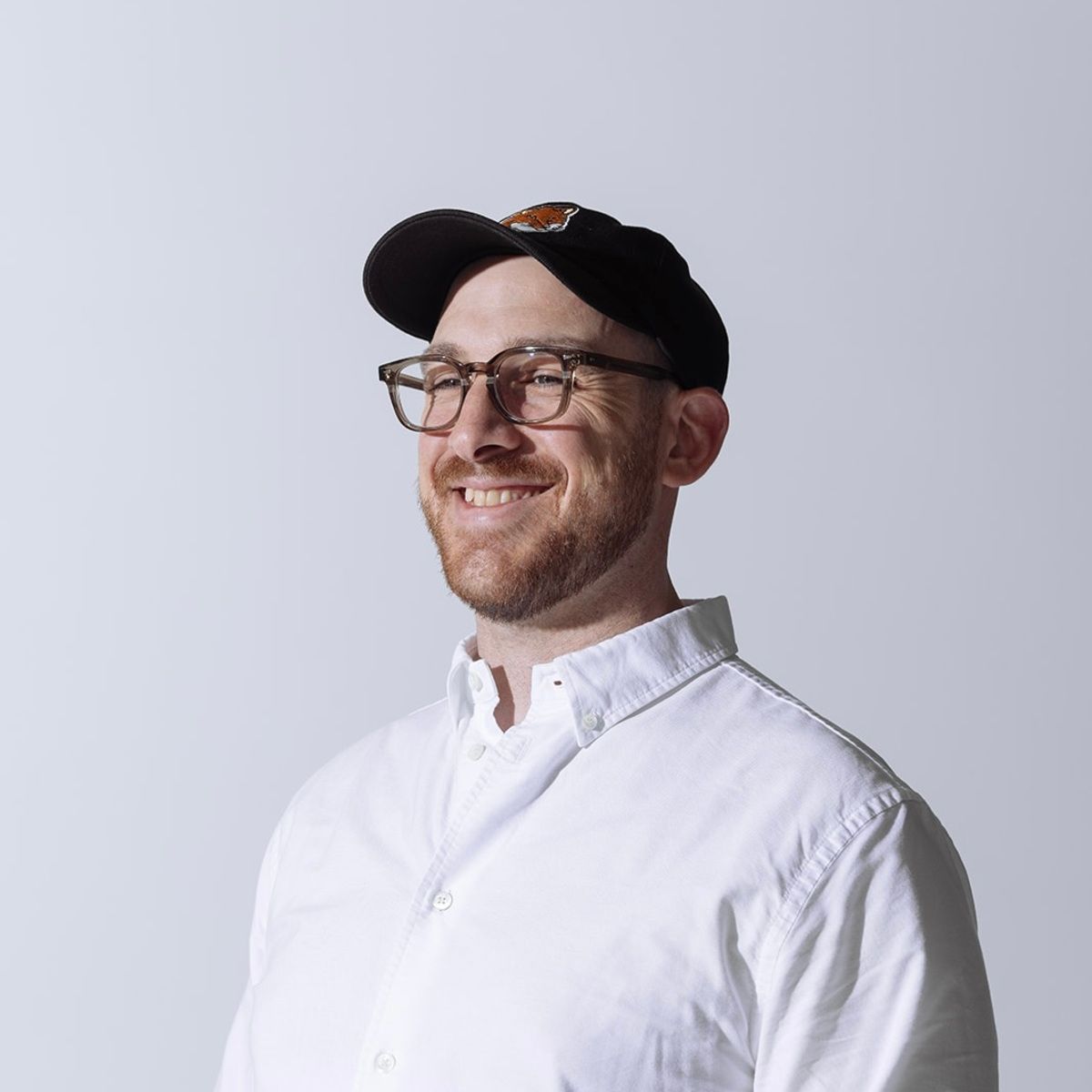
with Melissa Theiss, Head of People Ops at Kit
It’s the hardest job in the world and nobody shows you how to do it.
But this changes things.
The countdown is on for the most ambitious professional development event for startup People professionals.
On the 31st of July, 1,000+ people pro’s will be joining 40+ speakers across 30+ sessions on how to build and scale a startup people function.
The speakers have been there and done it.
They’ve got lesson (and scars) to share.
We’re talking:
AI-powered people functions.
Product-led approaches to building
Tackling outcomes on a shoestring
Tickets only $150 AUD (bargain!), and they get you:
Access to all live sessions on the day.
All session recordings forever.
All speaker resources, templates and guides.
Access to the Startup People Summit community
Building and scaling people functions in startups is hard.
Learn from those who have done it.
Connect with those who are doing it.
Interested in sponsoring the FNDN Series? Go here.
In this episode of the FNDN Series, I sat down with Melissa Theiss to talk about one of the most misunderstood topics in startup compensation: bonuses.
When to use them.
How to make them work.
And what to do when they start creating more confusion than motivation.
Melissa has built People and Ops functions in high-growth environments and brings a refreshingly honest and practical lens to this conversation.
We covered the myths, the mechanics, and the moments where bonuses can either lift performance — or erode trust. Whether you’re running commissions, discretionary bonuses, or company-wide incentives, this episode is full of hard-earned lessons and sharp thinking.
… here’s what we covered:
Why bonuses don’t belong in early-stage startups
Turning a bonus into a real incentive (not just an expectation)
What to do when bonuses never pay out
Should companies share average attainment rates?
Why commissions without clarity are a trap
How to use bonuses to connect people to customer impact
Building a culture of profit-sharing and shared success
Designing incentive plans that don’t backfire
My 5 Key Takeaways:
Bonuses only work if people know how to earn them. If employees can’t understand the rules or model their path to success, the bonus isn’t doing its job — it’s just complicating your comp structure.
If bonuses are paid like clockwork, they become salary. I’ve seen too many startups blur the line between base and bonus, which kills their effectiveness. Incentives need to feel earned, not automatic.
No one trusts a bonus they’ve never seen. If only 30% of your team is hitting their target, say so. Transparency on attainment builds credibility and allows people to calibrate effort with realistic expectations.
Bonuses are more powerful when they’re tied to purpose. When people can see how their performance helps customers — and how that success flows back to them — the incentive becomes more than just money.
Clarity beats creativity when it comes to incentives. You don’t need an elaborate bonus scheme. You need a well-communicated, consistently applied one that people understand and believe in.
Got a specific topic you want me to cover or a guest you’d love to nominate? Hit reply to this email and let me know.
Connect with Melissa Theiss
Visit https://kit.com/
Linkedin: @melissatheiss
More FNDN Episodes at Spotify | Apple Podcast
Interested in more? If you missed the earlier episodes with Melissa, Check them out here:
Episode 1: Avoiding Cookie-Cutter Comp with Melissa Theiss, Head of People Ops at Kit & Founder of Fledge:https://youtu.be/xVajo7djvlo
Episode 2:Building a Job Structure that Scales with The Company, Melissa Theiss, Head of Peoples Ops at Kit https://youtu.be/2jxhWnBUt-U
Got a specific topic you want me to cover or a guest you’d love to nominate? Hit reply to this email and let me know.
Know a Head of People handling startup compensation 🙋 why not forward this to them for some instant karma?
Did someone forward this to you? Make sure to hit subscribe and save them the click next time!
That’s all for this week.
Sure, this is technically the end of the newsletter, but we don’t have to end here! I’d love this to be a two-way chat, so let me know what you found helpful, any successes you’re seeing, or any questions you have for me.
Sharing is caring. If you are enjoying our newsletter, others might too — forward this on to them and get their endless appreciation.


